
Step 1
Give your sample
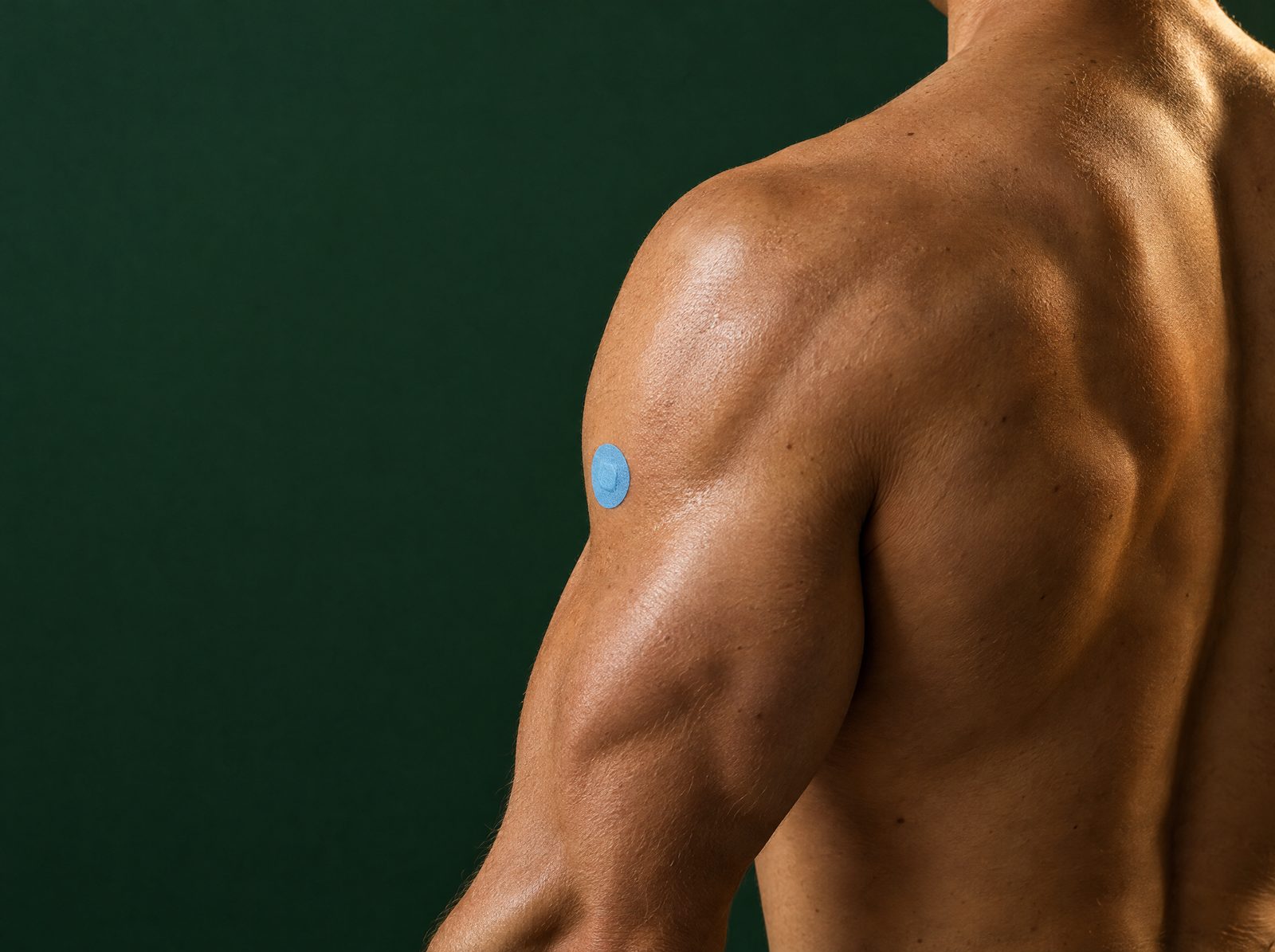
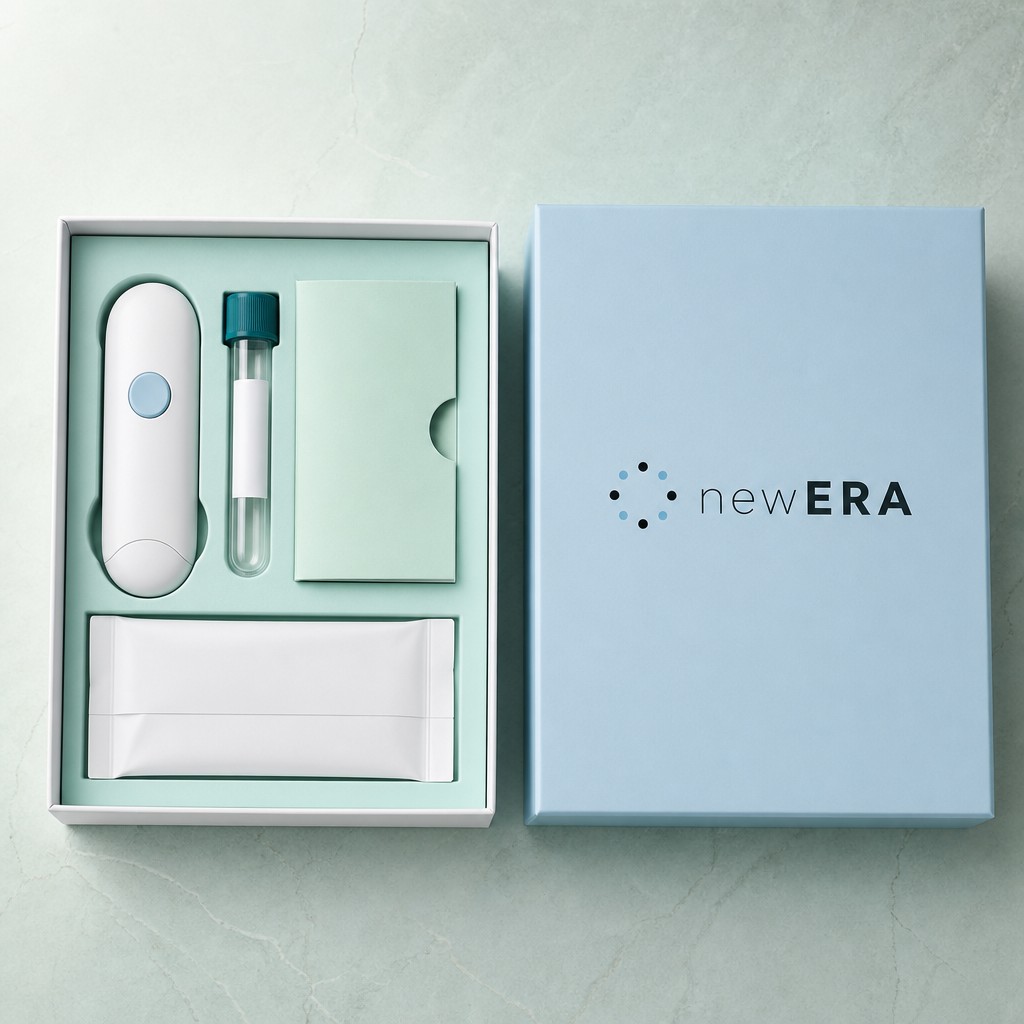
Collect it yourself at home with the arm kit, or choose the Advanced option and have a licensed phlebotomist come to you.
Physician ordered8 biomarkers10 cancer areas
Check cancer markers for 10 areas, including prostate, breast, colon, liver and pancreas, from home.
One blood sample, collected from your upper arm at home. A physician orders and reviews every test, and a clinician calls you about anything out of range.
Not a diagnosis. Does not detect all cancers or replace routine screening. Not FDA cleared or approved. For adults 18 and older without symptoms. Rx only. Important information
10 at home. 22 with a mobile draw.
Newera Screening is a physician-ordered laboratory biomarker panel. It does not diagnose cancer, does not detect all cancers, and is meant to be used alongside the routine screenings your doctor recommends. Markers can be raised by conditions unrelated to cancer, normal markers do not rule out cancer, and false positives and false negatives can occur. This test has not been cleared or approved by the U.S. Food and Drug Administration. Intended for adults 18 and older who do not have symptoms of cancer; if you have symptoms, see a doctor first. An independent physician reviews every order and may decline it. Rx only.
Testing performed by [Lab Name], an independent CLIA-certified, CAP-accredited laboratory. Every order is reviewed by an independent, state-licensed physician.
As featured in
Our founder, Nathan Shalom, told his story to Business Insider. It is the reason we built Newera Screening.
Why this matters
Routine screening exists for a handful of cancers, and it saves lives. Keep every appointment your doctor recommends. The problem is everything those tests were never built to look at.
of cancer deaths in the United States come from cancers with no recommended screening test
Most have no routine test at allof Americans, about 2 in 5, will be diagnosed with cancer in their lifetime
rise in new cancer diagnoses before age 50 worldwide between 1990 and 2019
Newera Screening does not replace mammograms, colonoscopies, Pap tests or any screening your doctor recommends. It adds a look at cancer-related markers across 10 areas of the body, most of which have no routine screening test at all.
Sources. Screening gap: cancers without a U.S. Preventive Services Task Force recommended screening test, against American Cancer Society mortality estimates, [Cancer Facts & Figures 2026]. Lifetime risk: National Cancer Institute, Surveillance, Epidemiology, and End Results Program, Lifetime Risk of Developing or Dying From Cancer, [2017 to 2019] data. Early-onset trend: Zhao J, Xu L, Sun J, et al. Global trends in incidence, death, burden and risk factors of early-onset cancer from 1990 to 2019. BMJ Oncology 2023;2:e000049, reporting the number of new cases worldwide. These are population figures, not results from Newera Screening.
Step 1
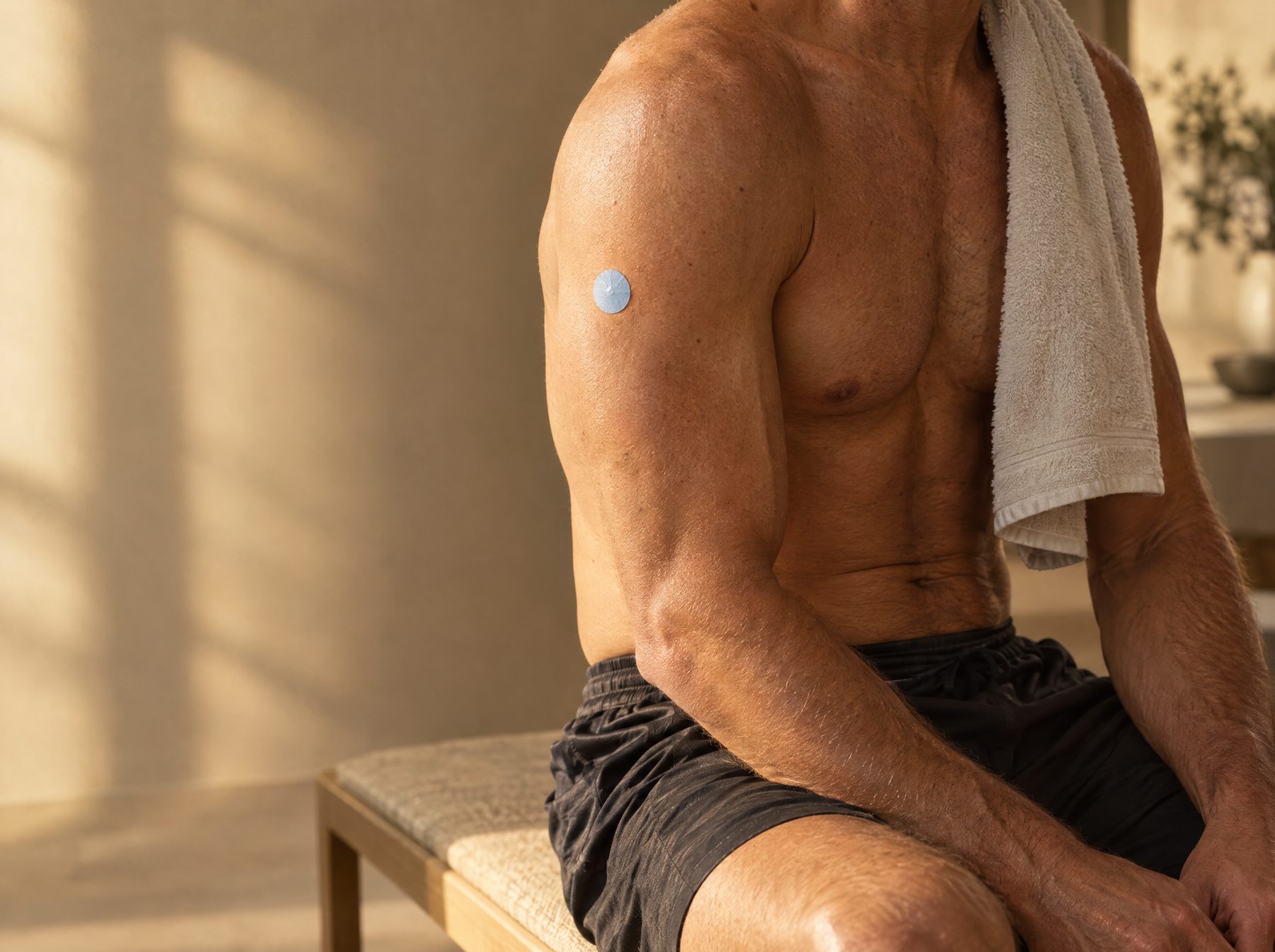
Collect it yourself at home with the arm kit, or choose the Advanced option and have a licensed phlebotomist come to you.
Step 2
Sealed where you are and shipped straight to our CLIA-certified lab. Return postage is covered.
Step 3
Your report is ready
Sample notifications

A licensed physician reviews and orders every panel. A clinician calls you on anything out of range.
Newera Screening does not diagnose cancer or replace the routine screening your provider recommends, and a negative result does not rule out cancer.
What the panel covers
A physician-ordered biomarker panel. It measures proteins and antigens that are associated with cancer in these areas of the body. Option 1 is collected at home and covers 10 areas. Option 2 is a comprehensive mobile phlebotomy draw covering 22 areas, including [lung, thyroid, neuroendocrine and plasma-cell]. It is not a 50-cancer scan, and it does not diagnose cancer.
The marker measured for each area of the body. Four of the areas depend on your sex at birth.
An independent, licensed physician reviews and orders every test.
Counted from the day the lab receives your sample.
And we can send your report to your own doctor.
The biomarker measured for each area. Markers on your panel depend on your sex at birth; the Advanced mobile draw adds markers for 12 more areas.
Your report shows a value for each marker against its reference range, not a single yes or no for cancer. Markers are associated with these areas of the body. They are not proof that cancer is or is not present.
In range - This marker sits inside its reference range. That is reassuring, and it does not rule out cancer. Keep up with the routine screening your provider recommends.
Out of range - This marker sits above its reference range. A licensed clinician contacts you to review it. Markers rise for many reasons that have nothing to do with cancer, including benign growths, inflammation, infection, pregnancy, liver conditions and some medicines. An out-of-range marker is not a diagnosis, and confirming or ruling anything out takes follow-up ordered by a doctor.
Newera Screening is a physician-ordered laboratory biomarker panel. It does not diagnose cancer, it does not detect all cancers, and it is not a substitute for the routine cancer screening your healthcare provider recommends, such as colonoscopy, mammography, cervical screening or low-dose CT. Normal marker values do not rule out cancer and elevated values often have non-cancerous causes. False positive and false negative results do occur. Results should be interpreted by a healthcare provider. Rx only.
A multi-cancer early detection test that screens for a shared cancer signal across 50 or more cancer types is a different product and is not part of this panel.
Routine screening plus Newera
Keep every screening your doctor recommends. For most of the areas below there is no routine test at all.
Routine screening tests look directly for cancer and have the strongest evidence behind them. The panel measures markers associated with these areas; a marker is not a diagnosis and the panel does not replace them. Screening ages from U.S. Preventive Services Task Force recommendations for adults at average risk; people at higher risk may be advised to screen differently.
Free risk check
About 20 questions on your age, habits, health and family. Three minutes. See which areas your answers point to and which option fits. Nobody is turned away.
Start the free risk checkFree. No email. Your answers stay on your device unless you order.
Pricing
A physician-ordered cancer-related biomarker panel across 10 areas, collected at home. Want broader coverage, or would rather someone else draw the sample? The Advanced mobile phlebotomy draw covers that.
Not sure which option fits? Take the free risk check and we will suggest one.
Collect it yourself
About $160 all-in. The core biomarker panel across all 10 cancer areas, collected from your upper arm at home.
About $160 all-in, or 4 interest-free payments of $40 with Klarna.* HSA and FSA cards accepted.
Billed yearly. A physician re-approves every kit. Cancel anytime online.

We come to you
A licensed mobile phlebotomist comes to your home or office for a venous draw, so the lab can run markers a self-collected sample cannot support. Cancer-related markers across 22 areas.
All-in, or pay over time with Affirm or Klarna.* HSA and FSA cards accepted.
Billed yearly. A physician re-approves every draw. Cancel anytime online.
How membership works. Memberships are billed once a year and renew automatically every year at the price shown until you cancel. A physician re-approves every kit or draw before it ships or is booked. Cancel anytime online from Manage membership or by emailing contact@neweraaesthetics.com; cancelling stops all future renewals and your current membership year continues. We email you [30] days before each renewal. Membership prices are [provisional]. Full terms: Membership and Refund Policy.
Ways to pay
HSA and FSA: pay with your HSA or FSA card at checkout and we email an itemized receipt. Whether a purchase qualifies depends on your plan, so check with your plan administrator; we do not give tax advice. Klarna: Pay in 4 interest-free payments, subject to eligibility; a late fee of up to $7 may apply if a payment is more than 10 days late, never more than 25% of the purchase. Loans to California residents are made or arranged pursuant to a California Financing Law license. Affirm: rates from 0-36% APR; payment options through Affirm are subject to an eligibility check and are provided by these lending partners: affirm.com/lenders. Options depend on your purchase amount, and a down payment may be required. For licenses and disclosures, see affirm.com/licenses. CA residents: Loans by Affirm Loan Services, LLC are made or arranged pursuant to a California Financing Law license. Affirm is available on one-time purchases only. All payment options and disclosures

Every order includes
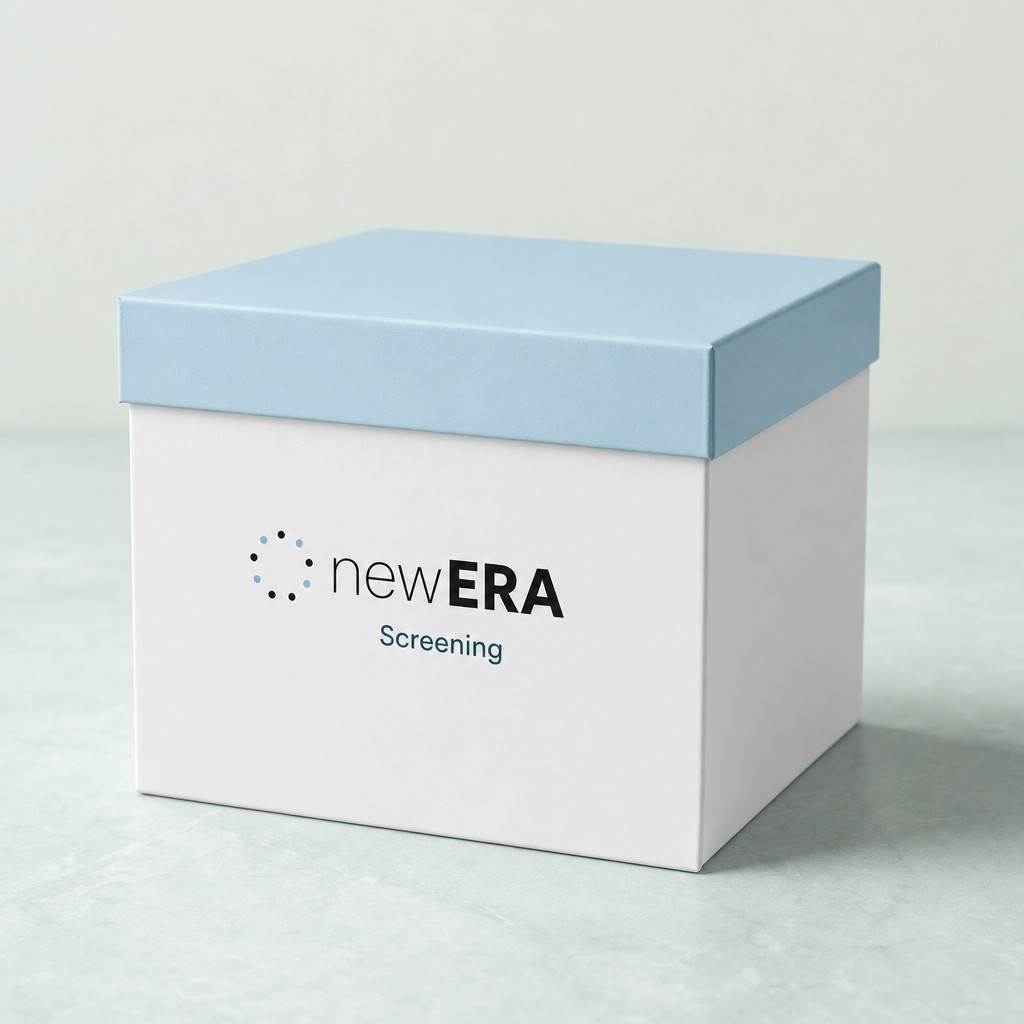
A physician-ordered cancer-related biomarker panel. Lab tested. Clinician supported.
Full refund within [30] days of delivery if your kit has not been activated. Once your sample reaches the lab, the test has been run and cannot be refunded.
*Results post about [7 to 10] days after the lab receives your sample. Newera Screening is a physician-ordered laboratory biomarker panel. It does not diagnose cancer, does not detect all cancers, and does not replace the routine cancer screening your doctor recommends. Markers can be elevated for reasons unrelated to cancer, and normal markers do not rule out cancer. False positive and false negative results can occur. This test has not been cleared or approved by the U.S. Food and Drug Administration. Rx only.
Five-year survival depends heavily on the stage at which a cancer is diagnosed. These are American Cancer Society population figures, not results from Newera Screening.
Colon cancer
Found while still localized, 91% of people are alive five years later. After it spreads to distant organs, 13%.
5-year relative survival. American Cancer Society, based on SEER data.
Lung cancer (non-small cell)
Found while still localized, 67% of people are alive five years later. After distant spread, 12%.
5-year relative survival. American Cancer Society, based on SEER data.
Pancreatic cancer
Found while still localized, 44% of people are alive five years later. After distant spread, 3%.
5-year relative survival. American Cancer Society, based on SEER data.
5-year relative survival, found localized. Colon [91]% vs [13]% after distant spread • Lung [67]% vs [12]% • Pancreatic [44]% vs [3]%.
These are population figures, not Newera Screening results. Blood-based multi-cancer screening has not been shown to reduce cancer deaths, and it finds fewer cancers at early stages than at late stages. Newera Screening is one additional way to look for a cancer signal while you feel well, alongside the screenings your clinician already recommends.
Five-year relative survival by stage at diagnosis, [2015 to 2021] diagnoses, American Cancer Society, based on SEER data. Lung figures are for non-small cell lung cancer. Only about [14]% of pancreatic cancers are found while still localized. Localized means no sign the cancer has spread outside the organ where it started. Distant means it has spread to distant parts of the body. These figures describe outcomes by stage across the general population, for cancers found by every route and most often after symptoms appeared. They are not results from Newera Screening and do not predict any individual outcome. Whether screening with Newera Screening changes the stage at which a cancer is found, or lowers the chance of dying from cancer, has not been established. Newera Screening is a screening test. It does not diagnose cancer, does not detect all cancers, and does not replace the screenings your clinician recommends. A negative result does not rule out cancer, and false positives and false negatives can occur. Rx only.
Privacy
Cancer screening is personal. We built every step to keep it that way.
Encrypted in transit and at rest. Your sample travels under a barcode, not your name. Your report is visible to you, your ordering physician, and the lab that ran it, and no one else unless you say so.
We do not sell your health data or hand it to advertisers, employers, or insurers. Full stop.
Every kit carries a unique barcode and [tamper-evident] seal. From your door to the lab bench, your sample is tracked, sealed, and matched to you alone.
FAQ
Everything people ask before they order. Anything else, we are one email away.
Newera Screening is a physician-ordered laboratory biomarker panel. It is not a multi-cancer early detection test.